Want More Sales? Try These 5 Smart Email Segmentation Tactics to Sell More!
Top coaches like Amy Porterfield, Marie Forleo, and Russell Brunson always talk about the power of email segmentation. Why?
Because sending the right emails to the right people helped them grow their businesses.
On the other hand, if you keep sending generic emails, people are more likely to ignore them. And with all those ignored emails, your reputation can take a hit.
The fix? Email segmentation!
What is Email Segmentation?
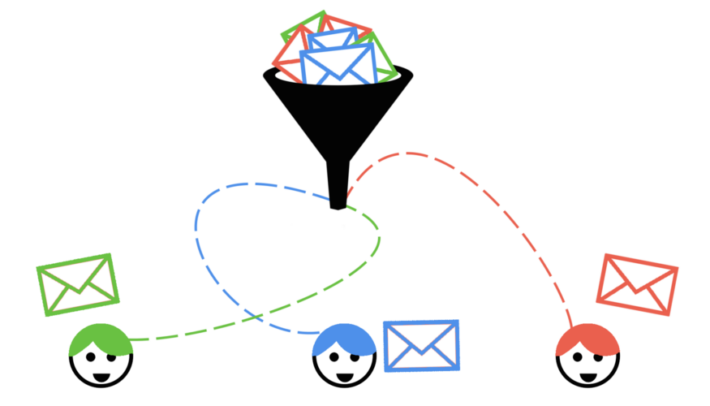
Email segmentation means splitting your email list into smaller groups based on what people like or need. This way, you can send more personal and relevant emails to each group.
To create these groups, focus on things people have in common. And remember, the smaller the group, the more personal your message should be.
Here are a few examples of how you can create groups:
- People who discovered your product on social media.
- People who purchased in the last three months.
But is it worth your time? Let’s dive into why it can make a big difference for your business.
Why is Email Segmentation important?
Email segmentation isn’t just a trick—it’s a game-changer for your coaching business!
How?
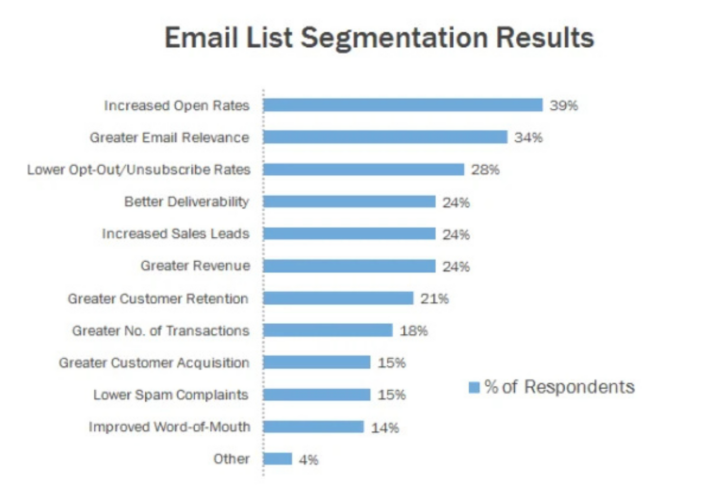
Using email segmentation, you can increase the number of people who sign up for your programs. You’ll also see better engagement and higher click rates!
But that’s not all. Segmentation also helps reduce unsubscribes and keeps people from marking your emails as spam. It’s all about sending the right message to the right person at the right time.
And the best part?
Email segmentation helps you build stronger relationships with your clients. You’re not just sending out random emails; you’re making real connections.
Even Campaign Monitor says, “Sending the same email to everyone is one big list with minimal effort.”
So, why guess what your audience wants when you can connect with your clients on a deeper level?
Source: Lyris Inc
5 Suggested Email Segmentation Strategies
Sending emails without segmentation is like shouting into a crowded room where no one is listening.
The tricky part? There’s no one-size-fits-all rule for segmentation, and that can feel overwhelming.
But don’t worry! Platforms like Mailchimp and Campaign Monitor offer helpful strategies to get you started.
Let’s dive into some of their best tips and see how you can use them to your advantage!
1. Demographics Segmentation
Even basic information about your audience can make a huge difference. Information like age, gender, job, or location helps you create targeted messages.
Picture this: you’re sending a promo for summer gear to someone living in a snowy region. They’re not going to care!
So without the basic info, your emails might completely miss the mark.
But, some of this, like gender or age, can be tricky to guess. That’s where surveys come in handy. A quick survey helps you gather key insights about your audience’s interests and preferences.
Think about it—emails tailored to their age group, local events, or even the weather they’re experiencing. It’s all about staying relevant!
2. Behavioral Segmentation
Behavioral segmentation is all about dividing your audience based on how they interact with your Coaching business.
Things like past coaching sessions, the resources they’ve downloaded, or even how often they visit your site can be helpful.
Why is this important for coaches?
Clients who’ve already worked with you are your best chance for repeat business. It’s easier to bring back a satisfied client for another session than to convince someone new to take the session.
But for clients who haven’t bought anything yet, pay attention to what they’ve shown interest in.
Here’s an example, if someone downloaded a free guide but hasn’t signed up for coaching, send them a reminder or a special offer to get started.
So, keeping clients interested in what they care about will help you build a loyal following.
3. Email Activity Segmentation
Not everyone engages with your emails in the same way. Some clients open and click regularly, while others lose interest over time.
If you don’t track engagement, you won’t know who needs a little extra attention.
So, you can segment your email list based on how many clients engage with your emails, like:
- Re-engage inactive clients: Send them a reminder or a special offer to get their attention.
- Reward active clients: Give them exclusive content or early access to new coaching programs to keep them excited.
This helps your emails perform better and keeps clients coming back for more coaching.
4. Product Preference Segmentation
As a coach, you offer different services, and your clients need different things.
For example, you might offer one-on-one coaching and group coaching. Some clients like personal sessions, while others prefer working in a group.
Also, some clients might need basic info, while others might want more advanced help.
Now, imagine if you could know exactly what each client wants—how much faster could they decide to work with you?
When clients feel like you understand what they need, they’re more likely to say yes. Plus, it helps build trust.
So, sending the same email to everyone isn’t the best way. Instead, send different messages based on what each person likes.
This makes your emails feel more personal, helpful, and focused on what they really need.
5. Customer Lifecycle Segmentation
Your clients are at different stages in their journey with you. Some are brand new, some have been with you for a while, and others may be less active now.
So, why does this matter?
Knowing where your clients are in their journey helps you support them at the right time. Plus, it keeps them engaged, happy, and more likely to stick with you!
For that, you can divide your list into different groups and send the right message to each one. Here’s how:
- New subscribers: They’re just getting to know you. Send them a warm welcome email that introduces your coaching style.
- First-time clients: Thank them for joining and suggest other sessions or resources they might enjoy.
- Repeat clients: Keep them excited! Offer special deals, more coaching, or exclusive content.
- Lapsed clients: Remind them how coaching can help and offer a special deal to bring them back.
By sending the right message to the right group, you’ll keep everyone engaged and excited to work with you!
But is it worth your time? Let’s dive into why it can make a big difference for your business.
Here’s what you can read next: Do These 9 Things to Get Your Emails Out of Spam
How to Create Email Segmentation in 5 Steps
Without a clear plan, your segmentation efforts might fall flat. Here’s a simple five-step guide to get started:
Step 1: Start with a Sign-Up Form
A sign-up form is a great way to start! It lets you collect key details like name, age, location, and interests from your clients.
Encourage people to join your email list and add a few optional questions to learn more about them. For example, you could ask:
- “What’s your main coaching goal?“
- “Which coaching topics interest you the most?“
Later, you can send surveys or polls in your emails to dive deeper into their preferences and needs.
Step 2: Set a Clear Goal
Collecting data is only useful if you know what you want to achieve with it. Without a clear goal, your segmentation might not give you the results you want.
So. start by asking yourself:
- Who are your target clients?
- What do they want help with?
- Are they new to coaching or have they worked with you before?
Also, think about your purpose:
- Do you want to welcome new clients with a special email series?
- Are you nurturing loyal clients with advanced coaching tips or offers?
Step 3: Use an Email Segmentation Tool
It can be tricky to manage all the data and create useful groups. So, take the help of tools like MailChimp, HubSpot, or Klaviyo.
These tools let you group your audience based on behavior, interests, and basic information.
Choose a tool that fits your coaching business needs. The right one will make it easy to segment your clients and save you time.
Step 4: Build Your Segments
Now that you have all this data, it’s time to organize your clients into groups!
So, create groups based on what you know about them. For example:
- New Clients: You can send them a welcome email like, “Welcome! Here’s how coaching can help you achieve your goals.”
- Birthday Group: You can send them a special birthday message like, “Happy Birthday! Enjoy a special coaching offer on us!”
Don’t worry! Your email tool will take care of everything—finding the right client, personalizing the message, and sending it at just the right time.
Step 5: Measure, Test, and Adjust
- Are your emails working?
- Are clients opening them, clicking on links, or ignoring them?
If you’re not tracking this, you won’t know what’s working. So, here’s what you can do to track your success and failure:
- Track: See who opens your emails, what they click, and what topics they like.
- Adjust: If loyal clients aren’t clicking, try something different next time.
- Test: Experiment with new ideas to find what works best. If one email does great, try more like it!
- Nurture: Keep sending helpful content and updates to keep clients engaged and excited about your coaching.
Conclusion
Let’s wrap things up, shall we?
By now, you probably know that email segmentation is a game-changer for coaches. It helps you send emails to your clients that feel personal and relevant.
Here’s a quick breakdown of the 5 segmentation strategies:
- Demographics: Group by age, location, or interests.
- Behavioral: Send emails based on client actions like booking a session or downloading a guide.
- Email Activity: Reward active clients and re-engage those who don’t open emails.
- Product Preference: Tailor emails for different types of clients interested in different services.
- Customer Lifecycle: Send different emails for new, returning, or lapsed clients.
Also, the 5 simple steps to get started with email segmentation are:
- Gather info from your subscribers.
- Set clear goals.
- Use tools to organize data.
- Create segments.
- Track and adjust as needed.
By doing this, you’ll send emails that build stronger relationships and grow your coaching business!
Here’s what you can read next:How to make your emails impossible to ignore
Try Us Out, Totally Risk-Free!
Got a launch coming up? We’ll run the entire launch for you, and you pay only after you see results.